Which local trees make the best firewood in the Vale of Glamorgan?
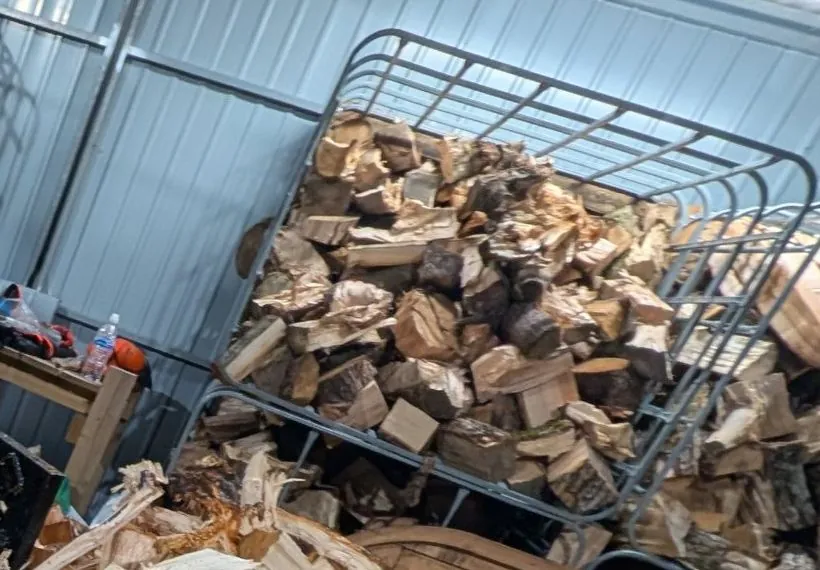
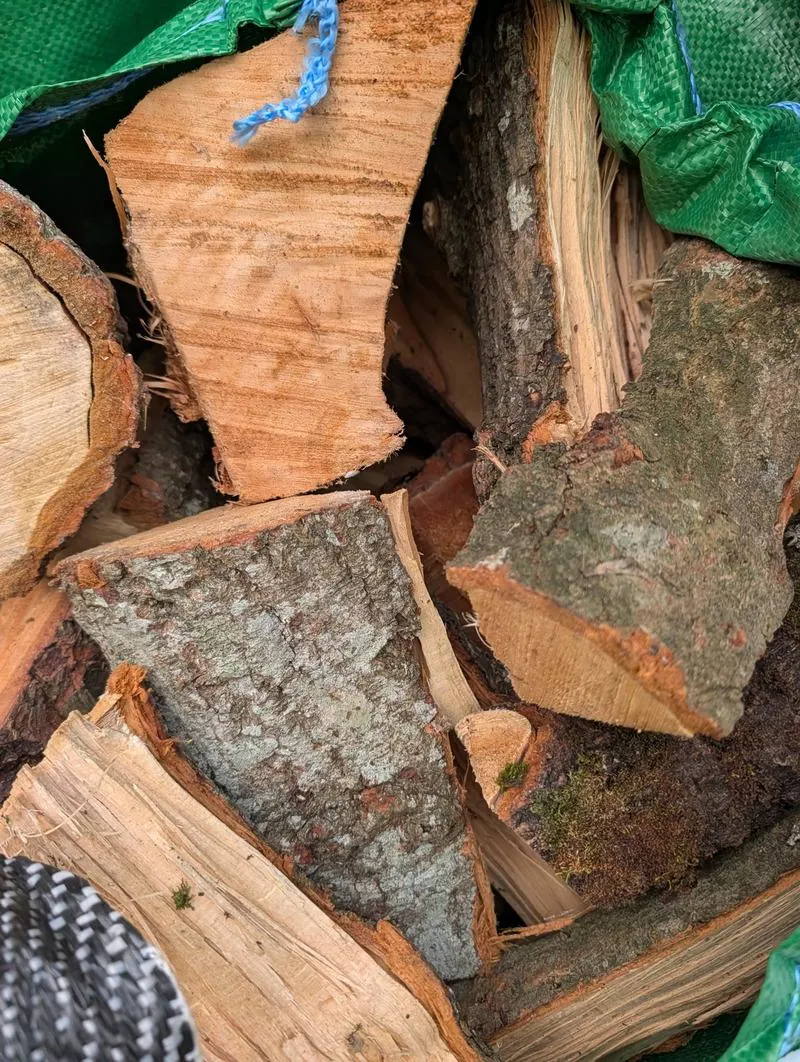
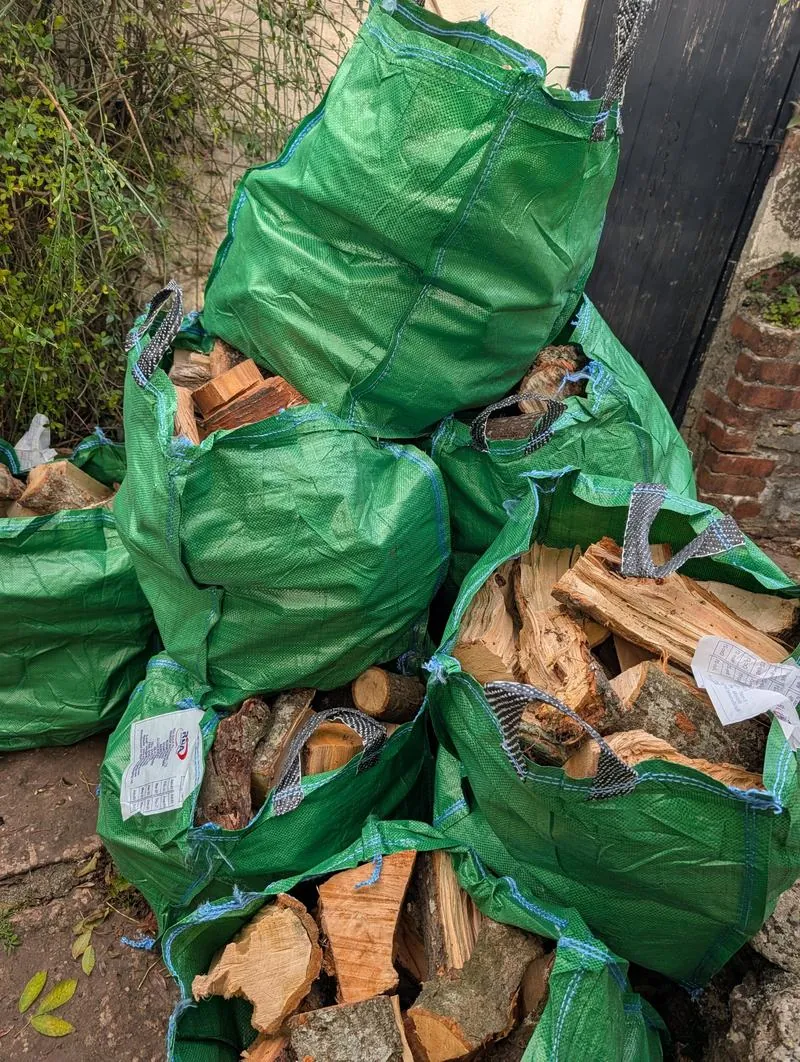
Our logs come from local tree surgery work, so what ends up in a bag is whatever grows around Wenvoe, Cardiff and the Vale of Glamorgan. That’s why we sell them as mixed local hardwoods: the mix changes from batch to batch, but it’s always hardwood and always dried to under 20% moisture.
What grows round here?
In 2021, Forest Research surveyed the trees of the Vale of Glamorgan. In the countryside, ash was by far the most common tree — around 22% of all trees — followed by hawthorn (about 14%) and sycamore. In towns and villages, ash, sycamore, hawthorn and English oak led the list. The survey also recorded silver birch, hazel, beech, apple, field maple, cherry, lime, horse chestnut, alder, willow and poplar.
Cardiff tells a similar story: ash and sycamore together make up more than a fifth of the city’s trees.
Ash dieback and local wood
Ash dieback is a fungal disease affecting almost every part of Wales. The Vale of Glamorgan Council has “many hundreds” of ash trees in its country parks alone, and removes badly affected trees that pose a risk. It spent around £118,000 dealing with ash dieback in 2024/25. Tree surgeons across the area are doing the same work in gardens, farms and roadsides — which is why ash is such a big part of local firewood.
The good news: dried properly, ash is one of the very best woods you can burn.
How the local trees burn
| Wood | As firewood | Notes |
|---|---|---|
| Ash | Excellent | Steady flame, lights fairly easily, good heat. |
| Oak | Excellent | Dense and slow burning. Takes the longest to dry. |
| Beech | Very good | High heat and a long burn. |
| Hawthorn | Very good | Dense, hot and slow burning. |
| Hazel | Very good | Burns well, especially in smaller pieces. |
| Sycamore & field maple | Good | Clean, steady burn. |
| Birch | Good | Lights easily and burns bright and fast. |
| Cherry & apple | Good | Steady burn with a pleasant smell. |
| Lime & alder | Fair | Lighter woods that burn more quickly. |
| Willow, poplar & horse chestnut | Fair to poor | Light and fast burning; horse chestnut can spit. |
These ratings are general guides. Forest Research notes that, at the same moisture level, different woods give out similar heat per kilo — denser woods simply burn for longer per log. So the single biggest factor is how dry the wood is.
Why dryness matters more than species
Any of these hardwoods burns well when it’s under 20% moisture, and badly when it’s wet. That’s why every batch of ours is barn dried and moisture tested before it goes in a bag. Here’s how to check your own logs.
Sources
- Forest Research — Vale of Glamorgan i-Tree Eco report (2021)
- Forest Research — i-Tree Eco Cardiff
- Vale of Glamorgan Council — Country parks and ash dieback
- Forest Research — Wood as fuel
Want a bag of whatever’s drying in the racks right now? See our prices.